Warm-up hellos
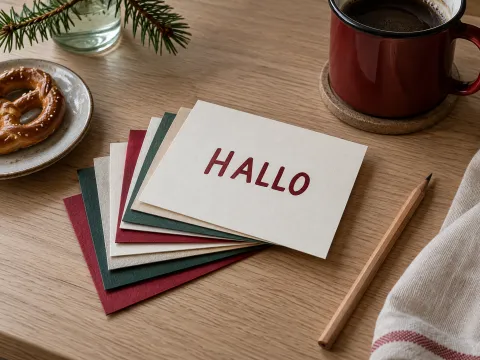
Everyone says Hallo, their name and where they are from. Thirty seconds each, no pressure, lots of smiles.

Waitlist open
A speaking-first German workshop idea for complete beginners: order at the bakery, find your platform at the station, meet someone new, ask the way. Short everyday moments, lots of talking, zero grammar lectures. Dates are announced to waitlist members first.
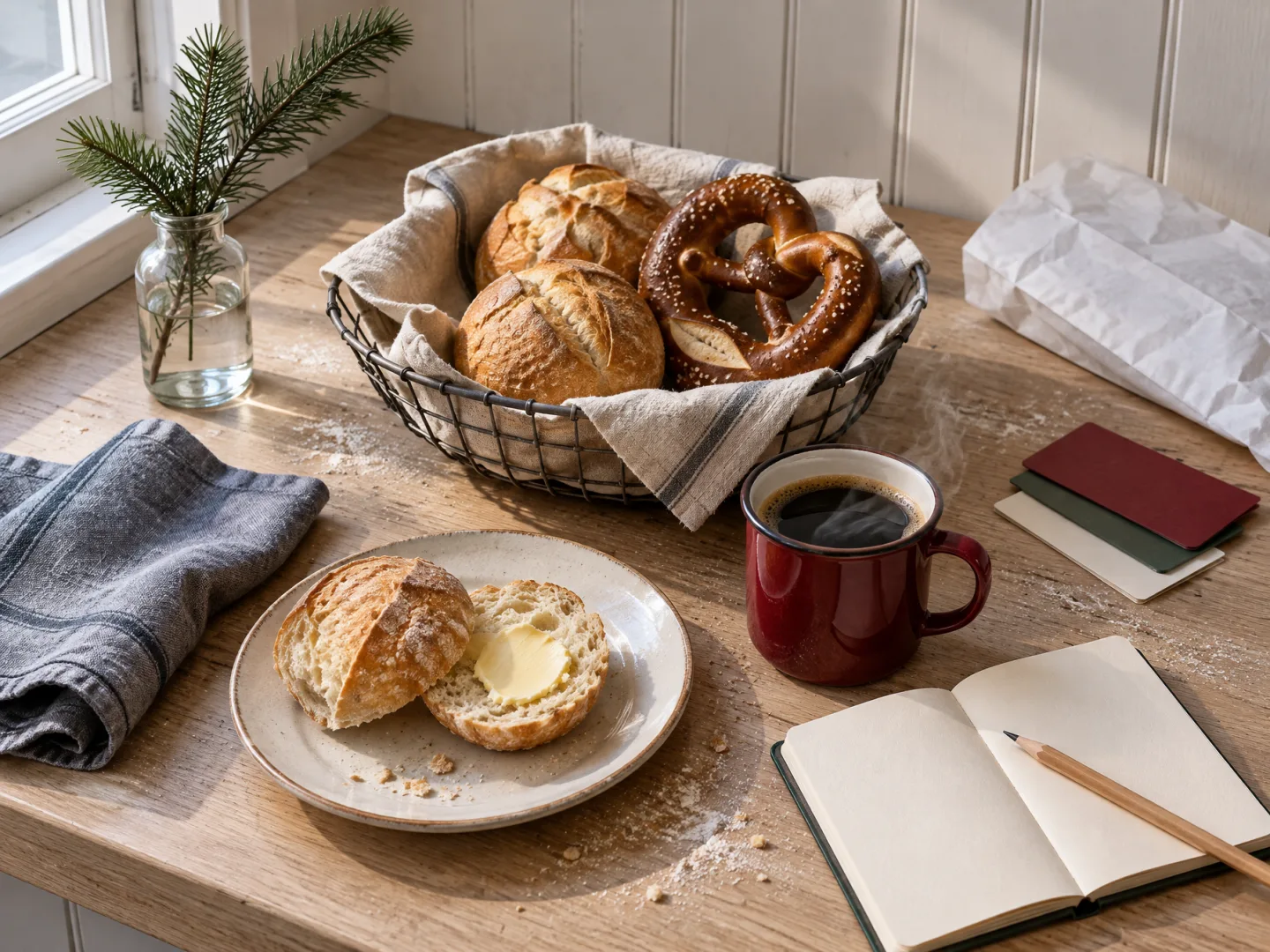
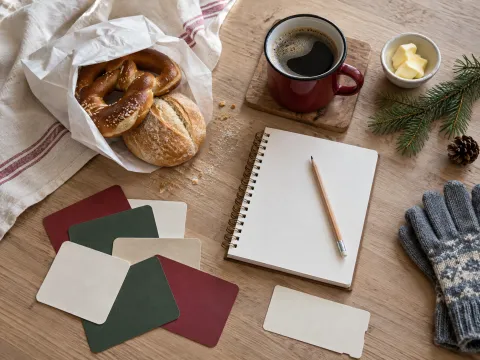
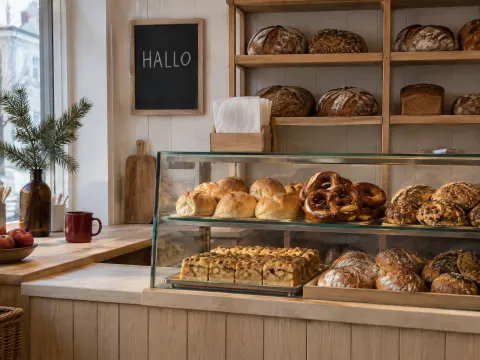
Illustrative imagery
Everyday moments
These are the scenes we would build the sessions around: small, real and useful on day one of a trip. Pick the ones you care about in the form.
Greet, point, order a roll or a pretzel, add a detail, say danke. The whole exchange fits in one breath.

Ask for a ticket, find your platform, and catch "links", "rechts" and the number in the reply.
Say hello, say your name, ask theirs, say nice to meet you. Sie for strangers, du for friends.
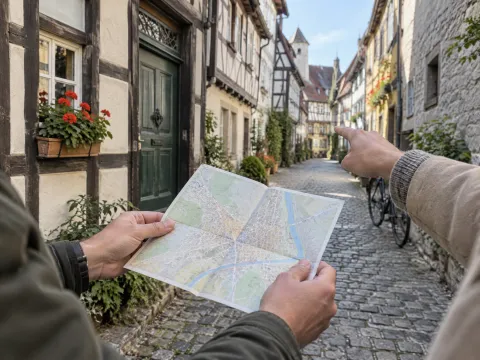
Ask where something is and catch "geradeaus", "links" and "rechts" in the answer.
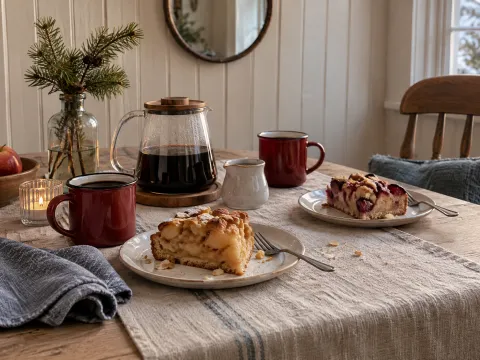
Sit down for coffee and cake, order a slice, ask for the bill. The cosiest German there is.

Count to ten, ask what things cost, talk about the weather. Numbers you will use the same afternoon.
Ideas only. The scenes on offer, and how many fit in a session, are confirmed to waitlist members.
Try it right here
Tap a greeting, pick something from the counter, add a detail, and read your order out loud. Then flip a few phrases you will hear on any trip, and build a German word out of two small ones. No sign-up needed for this bit.
A playful text-only rehearsal, not a lesson. Spellings are standard German; the way a session teaches them is confirmed to waitlist members.
Guten Morgen, ein Brötchen, bitte.
Gerne! Bitte sehr.
Of course! Here you are.Good morning, a bread roll, please.
1 · Start with a greeting
2 · Pick something from the counter
3 · Add a detail (optional)
bitte Every order ends with bitte. It means please, here you are and you're welcome, all in one word.
Same word, third job. Danke, bitte: the whole ritual in two words.
Browser voice; quality varies by device.
An illustration of the kind of exchange we have in mind, not a recording of a real bakery.
Flip the phrases you will actually use
Build a word: German loves to glue short words together
How a session might flow
Indicative The format is still being finalised. Think of this as the spirit of a session, not a fixed timetable.
Everyone says Hallo, their name and where they are from. Thirty seconds each, no pressure, lots of smiles.
One everyday moment, for example the bakery. You hear it, you see the few phrases that carry it, you say them out loud.

Swap roles with a partner: you order, they serve; then the other way round. Cards on the table if you need them.
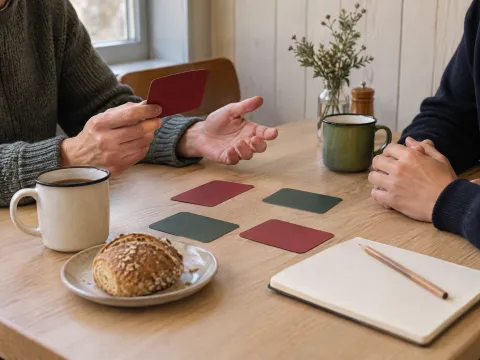
A few minutes on the world behind the words: a greeting that changes from north to south, a cake, a custom, a word English borrowed.
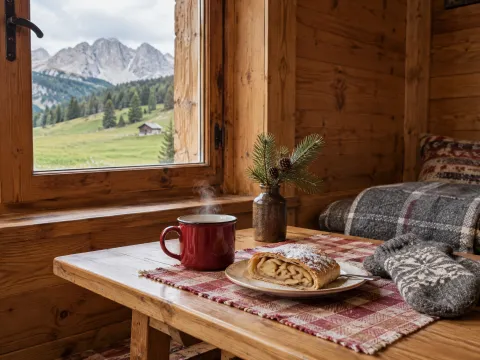
You leave with a short list you can say, not a worksheet. How it is shared is confirmed to waitlist members.
Times, durations, session count and what is included are shared with waitlist members.
Speaking first
Most of us learned a language at school by starting with the rules and never quite reaching the conversation. The idea here is to flip that: start with the handful of sentences a traveller needs, say them until they feel natural, and let the grammar arrive when it is useful.
That is why every session is planned around a scene rather than a chapter. You are not studying German; you are ordering a Brötchen, buying a ticket, meeting someone, finding the old town.
German is friendlier than its reputation. Nouns are capitalised, so you can spot them in a sentence, and the spelling is regular enough that once you know a few rules you can read a word out loud. The format is still being shaped; join the waitlist and you will hear the dates and details before anyone else.
Say it badly today. Say it better tomorrow.
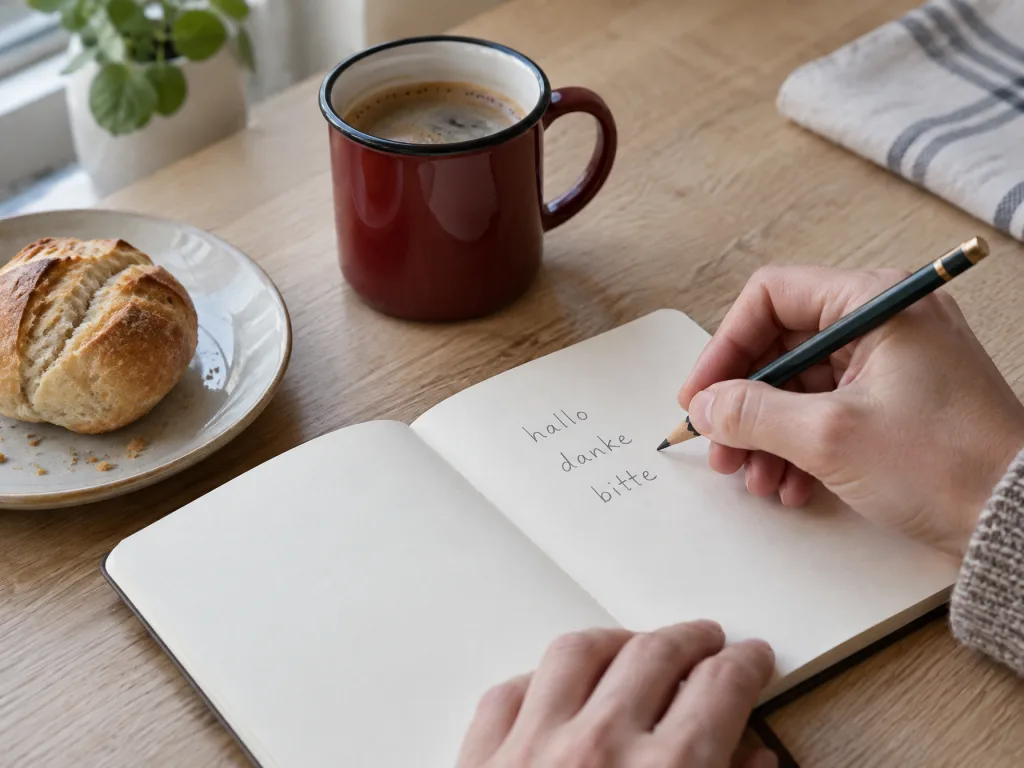
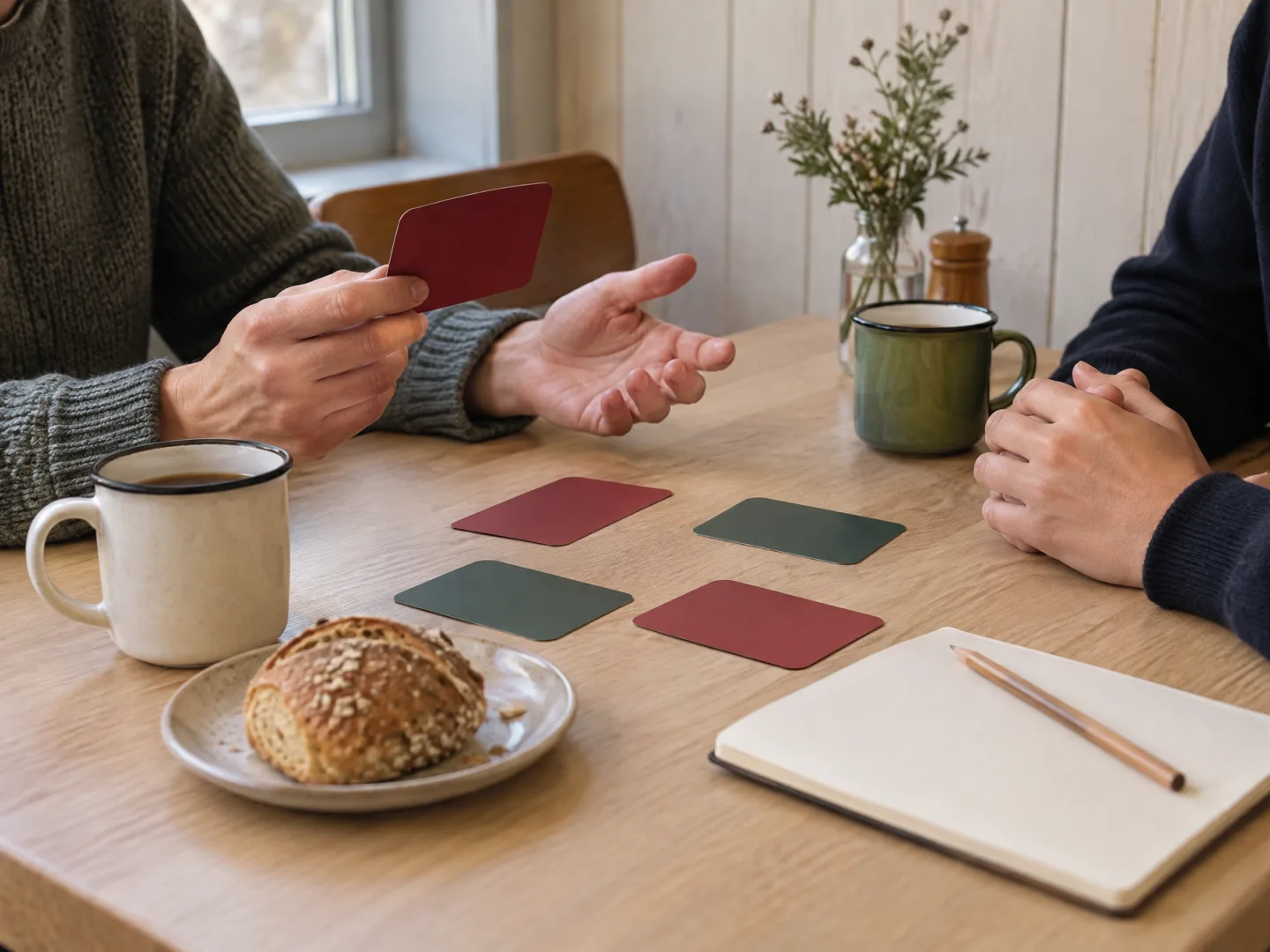
On the table
This is a typical set-up, not a promise. No textbook is assumed. The confirmed list, and anything you might bring, is shared with waitlist members once dates are announced.
Words you already own
You already own some German. English borrowed kindergarten, rucksack, wanderlust and doppelgänger, and a pretzel is a Brezel. So the first lesson is partly a reunion.
German loves to build long words out of short ones: Hand plus Schuh is Handschuh, a glove; Zahn plus Arzt is Zahnarzt, a dentist. Once you see the joins, long words stop being scary.
Two small rituals go a long way. Sie for strangers and shop staff, du for friends; when in doubt, Sie. And the word bitte, which is please, here you are and you are welcome in one. Which variety you hear, from Germany, Austria or Switzerland, depends on who teaches; waitlist members hear first.
Handschuh. A hand-shoe. A glove.
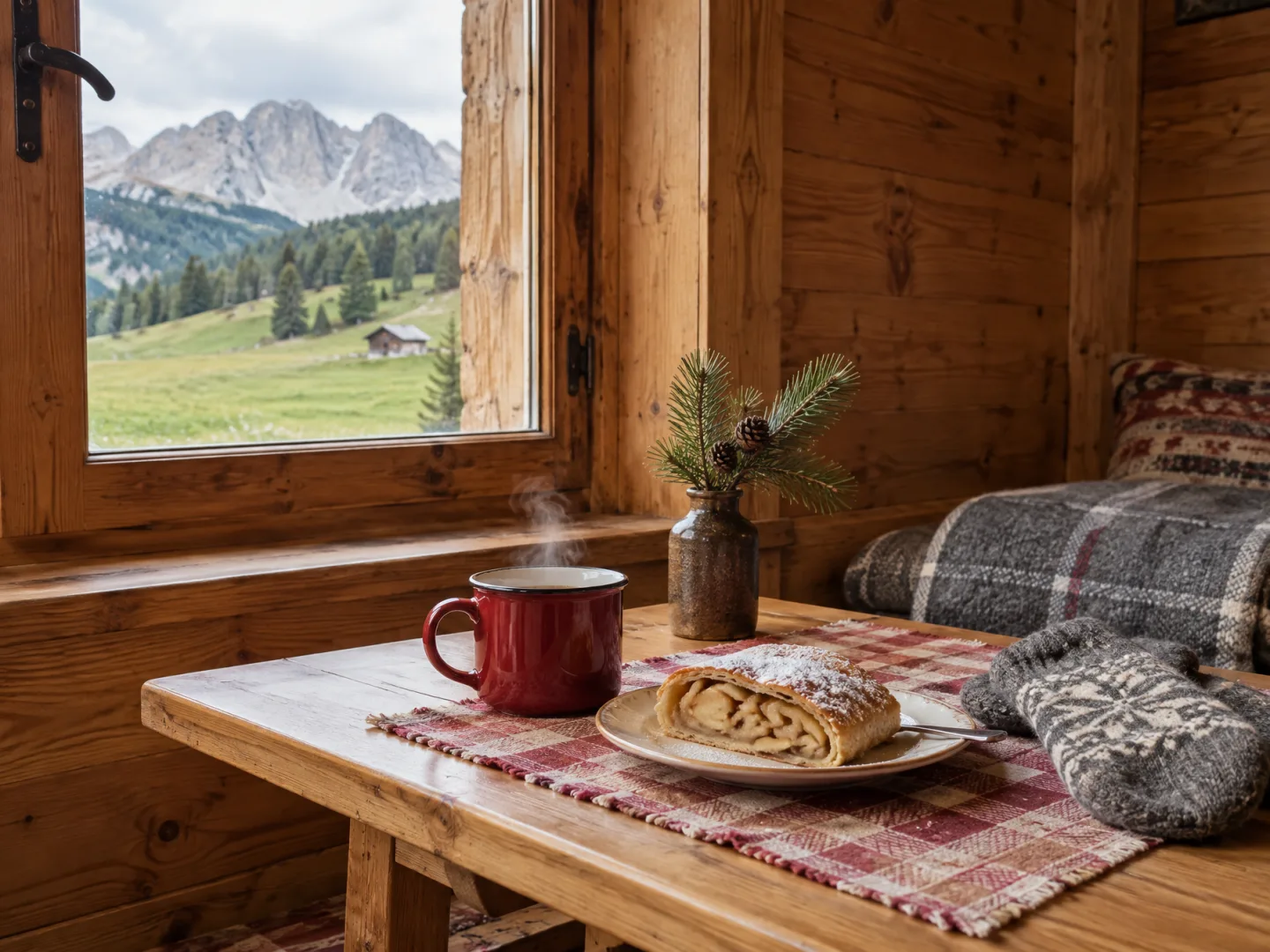
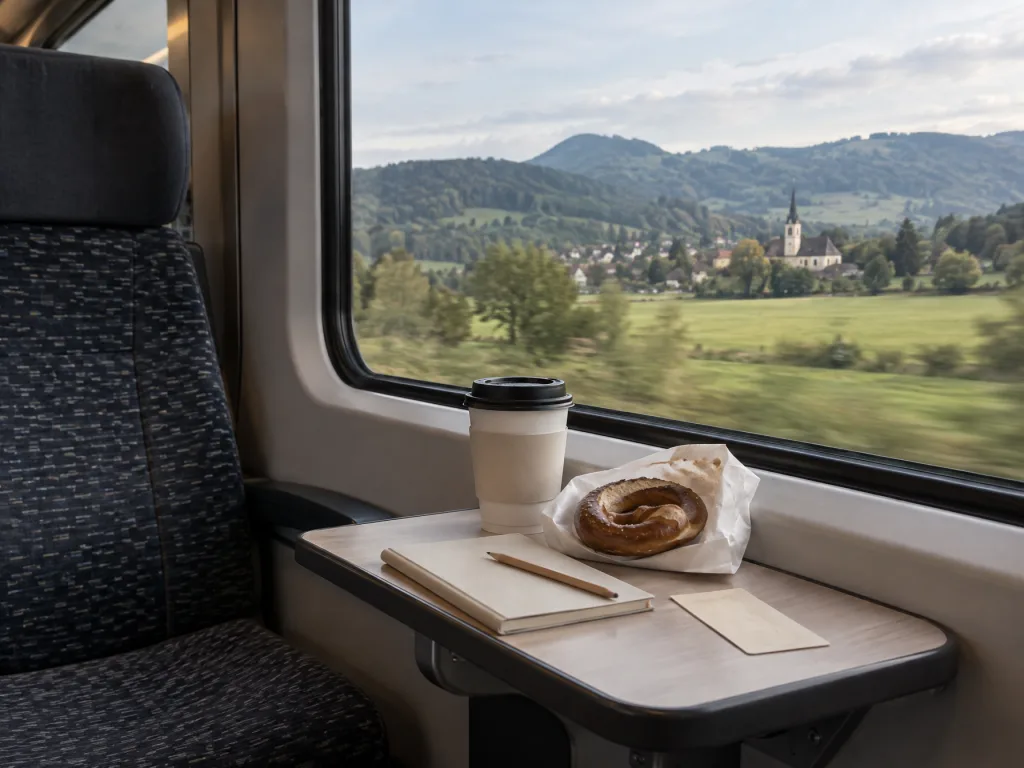
Snapshots we imagine
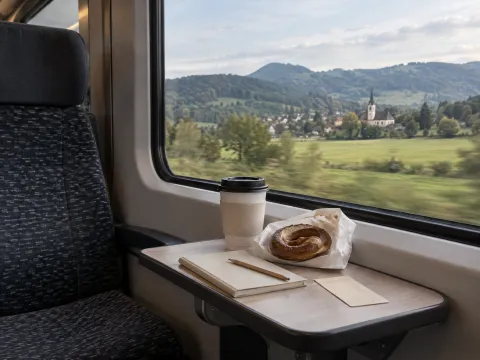
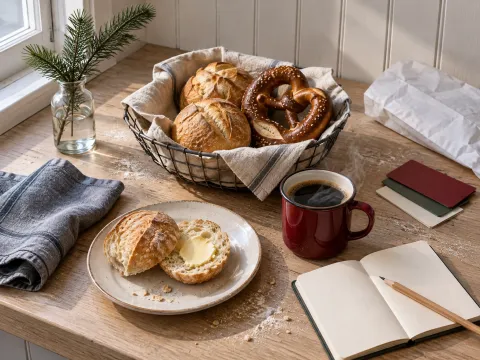
Illustrative imagery AI-generated pictures of the kind of moments we have in mind. They are not photos of real attendees or a real venue.

Questions
Adults 18+ who have little or no German and want to speak from the first session. If you did some German years ago and lost it, you are welcome too.
No. The sessions are planned to start from zero: hello, your name, a bread roll. Everything is said out loud before it is written down.
A little, when it helps you say something. German has genders and cases; the idea is to meet der, die and das inside real phrases, not as a table to memorise.
The phrases we plan to use are standard German and understood across all three. Local greetings differ (Grüß Gott in the south, Grüezi in Switzerland, Moin in the north); which accent you hear depends on the facilitator, and that is confirmed to waitlist members.
Not fixed yet. The format (single session or a short series, and how long each is) is shared with waitlist members once confirmed.
No textbook is assumed. Phrase cards and a small notebook are typically on the table; anything you might bring is shared with waitlist members.
Yes. Pair practice is planned to be low-key, with short exchanges and no performing in front of the room unless you want to.
The workshop is planned for adults aged 18 and above.
Not yet. The waitlist comes first: members are told the dates, venue and price (if any) before anyone else.
It is used only for the waitlist and updates about this workshop, in line with the Data Privacy Act of 2012 (RA 10173). It is not sold, and you can ask to see or delete it at any time.
Join the waitlist
German for Beginners is waitlist-only for now. Tell us a little about you and we will write with the dates and next steps. There is nothing to pay to join the waitlist.
German for Beginners is a planned Hive Workshops waitlist page. Imagery is AI-generated and illustrative. The outline is indicative: dates, venue, price, session format, materials, level and facilitators are shared with waitlist members once confirmed.